Lime Wash vs. Traditional Paint: What’s the Difference?

Choosing a wall finish involves more than finding the right color. The material, texture, application method, and way a finish ages can all influence the character of a room. Two popular options—lime wash and traditional interior paint—create noticeably different results.
While conventional paint typically provides smooth, consistent color, lime wash creates subtle variation, movement, and depth. Understanding these differences can help homeowners choose a finish that complements their home's architecture, lighting, and overall style.
What Is Lime Wash?
Lime wash is a mineral-based finish traditionally made from slaked lime, water, and pigments. Instead of creating the same type of surface film associated with conventional paint, traditional lime wash interacts with compatible porous surfaces.
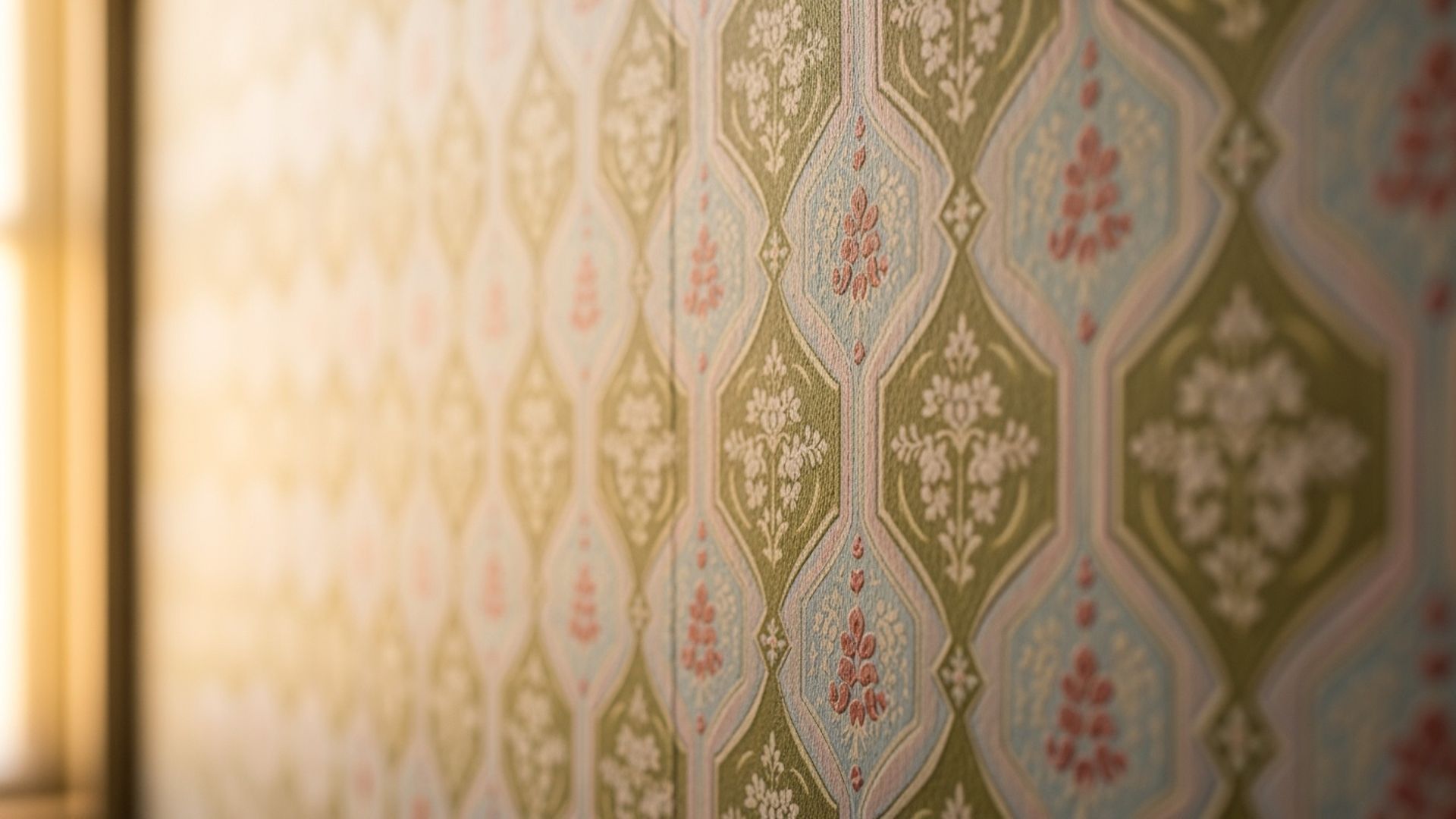
The result is a soft, highly matte appearance with natural variations in tone. Brush strokes and overlapping layers can produce areas that appear slightly lighter or darker, giving the walls visual movement. As natural and artificial light changes throughout the day, these variations can become more noticeable.
How Does Traditional Paint Differ?
Traditional interior paint is generally designed to provide consistent coverage and predictable color. Homeowners can choose from finishes ranging from flat and matte to eggshell, satin, and higher-sheen options.
The finished appearance is usually more uniform than lime wash. Instead of emphasizing variation across the wall, traditional paint creates a consistent backdrop for furniture, artwork, architectural details, and other design elements.
This versatility allows conventional paint to complement everything from minimalist interiors to colorful rooms where precise, consistent color is an important part of the design.
Texture and Visual Movement
One of the biggest differences between lime wash and traditional paint is the amount of visual movement across the wall.
Lime wash embraces variation. Its layered application creates soft transitions in color and a gently textured appearance. Rather than looking perfectly flat, the surface has depth that can become more noticeable as light moves through the room.
Traditional paint generally minimizes this variation. Proper preparation and application produce a smoother, more consistent finish from one section of the wall to another.
The right choice depends on whether you prefer organic character or a more controlled, uniform appearance.
Application and Suitable Surfaces
Traditional lime wash naturally performs well on porous mineral surfaces such as lime plaster, brick, stone, and certain masonry. Modern products and preparation techniques may also make it possible to create a lime wash finish on other interior surfaces.
Because lime wash products vary, proper surface preparation is important. Primers or other preparation methods may be necessary depending on the existing wall material and specific product being used.
Traditional interior paint works across a broad range of household surfaces when properly prepared, including drywall, plaster, trim, and doors.
Application methods also differ. Traditional paint is commonly rolled or brushed to achieve even coverage. Lime wash is generally applied by hand in multiple layers using brush techniques that intentionally create movement and variation.
Durability, Aging, and Maintenance
Lime wash develops character as it ages. Subtle changes and patina can become part of its appearance rather than something that needs to be concealed. This quality can work particularly well in interiors where an organic, historic, or old-world feeling is part of the design.
Additionally, traditional lime wash is naturally alkaline, giving it anti-fungal and mold-resistant properties that can help discourage mold and mildew growth on treated surfaces. However, these properties do not eliminate the need for proper moisture control or ventilation.
Maintenance requirements vary depending on the product and location. High-traffic or moisture-prone areas may require additional consideration when choosing a lime wash finish.
What Styles Work With Lime Wash?
Although lime wash is often associated with historic European, Mediterranean, and rustic interiors, it can work beautifully in contemporary homes as well.
Its subtle texture can soften modern rooms, bring warmth to minimalist spaces, and create contrast alongside streamlined furniture and clean architectural details.
Lime wash can be particularly effective in living rooms, bedrooms, dining rooms, and entryways where the walls are intended to contribute to the overall atmosphere rather than simply provide background color.
When Does Traditional Paint Make Sense?
Traditional paint can be a strong choice when the goal is crisp, consistent color or a straightforward finish that can handle routine upkeep.
It also gives homeowners flexibility when selecting specific colors and sheens or creating clean contrast between walls, ceilings, trim, and architectural features. In spaces where uniformity is central to the design, conventional paint can provide the desired appearance.
Traditional painting does not have to feel basic. Careful preparation, thoughtful color selection, and precise application can transform a room while maintaining a clean, polished look.
Choosing the Right Finish for Your Home
Ultimately, choosing between lime wash and traditional paint comes down to how you want a room to look and feel.
Lime wash offers warmth, movement, softness, and natural variation, while traditional paint delivers consistent color and a more uniform appearance. Existing surfaces, lighting, furnishings, room style, and maintenance preferences can all influence the decision.
Goldstein & Horowitz specializes in
lime wash,
interior painting,
Venetian plaster, and custom
decorative finishes throughout Westchester County, Rockland County, and Fairfield County. With a background in scenic artistry and fine finishing, the team can create wall treatments that complement the architecture and individual character of each home.